
ISTANBUL 5th International Congress on Science, Innovation & Future Technologies: ISIFT-28


+91 9781001229, +66 62 601 8051,
+351 920 619 073
+91 9781001229, +66 62 601 8051,
+351 920 619 073
Full Articles/ Reviews/ Shorts Papers/ Abstracts are welcomed in the following research fields:
Emerging scientific discoveries, technological innovations, future technologies, disruptive innovations, scientific advancement, technology forecasting, interdisciplinary research, emerging research frontiers, next-generation technologies, science-driven innovation, technological convergence, breakthrough discoveries, technology commercialization, future research directions, global scientific challenges, and the role of science and innovation in sustainable development.
Artificial intelligence, machine learning, deep learning, generative AI, large language models, natural language processing, computer vision, reinforcement learning, explainable AI, autonomous intelligent systems, AI-driven scientific discovery, predictive analytics, human–AI collaboration, responsible AI, trustworthy AI, artificial general intelligence research, and future applications of intelligent technologies.
Industrial robotics, collaborative robots, humanoid robots, autonomous mobile robots, robotic process automation, intelligent control systems, robotic perception, robotic manipulation, human–robot interaction, swarm robotics, bio-inspired robotics, soft robotics, robotic surgery, automated manufacturing, intelligent transportation, autonomous inspection systems, and future robotic applications.
Quantum computing, quantum algorithms, quantum machine learning, quantum communication, quantum cryptography, quantum sensing, quantum simulation, quantum materials, quantum information processing, quantum networks, quantum internet, quantum error correction, superconducting qubits, photonic quantum computing, quantum metrology, and emerging quantum technology applications.
Nanomaterials, nanofabrication, nanostructures, nanoparticles, nanocomposites, nanosensors, nanoelectronics, nanophotonics, nanomedicine, nanobiotechnology, molecular nanotechnology, nanomaterial characterization, advanced nanocoatings, nano-enabled energy storage, environmental nanotechnology, and sustainable nanomanufacturing.
Smart materials, functional materials, metamaterials, advanced composites, high-performance polymers, ceramic materials, metallic alloys, self-healing materials, shape-memory alloys, biomaterials, lightweight materials, superconducting materials, two-dimensional materials, graphene applications, sustainable materials, materials informatics, and AI-assisted materials discovery.
Molecular biotechnology, genetic engineering, synthetic biology, genome editing, CRISPR technologies, stem cell research, regenerative medicine, bioinformatics, systems biology, computational biology, industrial biotechnology, microbial biotechnology, agricultural biotechnology, bioprocess engineering, personalized medicine, and emerging applications of biological engineering.
Medical robotics, smart medical devices, wearable health technologies, biosensors, digital health, telemedicine, artificial intelligence in healthcare, personalized diagnostics, precision medicine, medical imaging, bioelectronic medicine, tissue engineering, organ-on-a-chip technologies, 3D bioprinting, implantable medical devices, and next-generation healthcare systems.
Brain–computer interfaces, neural engineering, neuroprosthetics, computational neuroscience, cognitive neuroscience, neuroimaging, neural signal processing, neuromorphic computing, artificial neural systems, neurorehabilitation technologies, brain stimulation, intelligent assistive devices, neuro-inspired robotics, and ethical challenges in neurotechnology.
High-performance computing, cloud computing, edge computing, distributed computing, neuromorphic computing, optical computing, serverless computing, green computing, next-generation computer architectures, parallel processing, software engineering innovations, intelligent algorithms, human–computer interaction, immersive computing, and future digital infrastructure.
Industrial Internet of Things, smart sensors, wireless sensor networks, connected devices, intelligent monitoring systems, smart homes, smart buildings, intelligent agriculture, smart healthcare systems, edge intelligence, IoT cybersecurity, low-power communication, machine-to-machine communication, and autonomous connected environments.
Big-data analytics, data mining, statistical modelling, predictive analytics, real-time data processing, scientific data management, data visualization, knowledge discovery, digital experimentation, computational intelligence, intelligent decision-support systems, data-driven innovation, federated learning, privacy-preserving analytics, and AI-enabled scientific research.
Cybersecurity, cryptography, post-quantum cryptography, blockchain security, zero-trust architecture, identity and access management, biometric security, cloud security, IoT security, cyber-physical systems security, AI-driven threat detection, privacy-enhancing technologies, digital forensics, secure communication networks, and cyber-resilience.
Blockchain applications, distributed ledger technologies, smart contracts, decentralized applications, digital identity, decentralized finance, blockchain interoperability, supply-chain transparency, decentralized data management, asset tokenization, blockchain governance, sustainable blockchain systems, and decentralized digital ecosystems.
5G and 6G communication networks, terahertz communication, optical wireless communication, satellite internet, non-terrestrial networks, intelligent communication systems, software-defined networking, network virtualization, massive MIMO, reconfigurable intelligent surfaces, quantum communication, ultra-low-latency networks, and future wireless connectivity.
Space exploration, satellite technologies, reusable launch vehicles, advanced propulsion systems, space robotics, planetary exploration, lunar infrastructure, Mars exploration, space habitats, satellite communication, Earth observation, space-based manufacturing, asteroid resource utilization, space debris mitigation, and sustainable space technologies.
Solar energy, wind energy, hydroelectric power, geothermal energy, ocean energy, bioenergy, green hydrogen, fuel cells, advanced batteries, solid-state batteries, energy storage systems, smart grids, microgrids, energy harvesting, power electronics, renewable energy integration, and next-generation sustainable energy infrastructure.
Nuclear fission, nuclear fusion research, small modular reactors, advanced reactor designs, radiation technologies, nuclear materials, fusion plasma physics, nuclear safety, radioactive waste management, nuclear energy systems, medical applications of nuclear science, and future low-carbon nuclear technologies.
Climate change mitigation, climate adaptation, carbon capture and storage, carbon utilization, environmental monitoring, pollution control, water treatment technologies, wastewater recycling, environmental biotechnology, sustainable resource management, climate modelling, ecosystem restoration, biodiversity conservation, and technology-based environmental solutions.
Green technologies, circular economy, eco-design, sustainable manufacturing, resource efficiency, low-carbon technologies, environmental innovation, life-cycle assessment, green supply chains, sustainable materials, waste valorization, industrial decarbonization, clean production systems, climate-resilient infrastructure, and technology-driven sustainability.
Smart urban infrastructure, intelligent transportation, digital city platforms, smart buildings, smart energy networks, urban sensing, smart waste management, digital governance, connected public services, autonomous mobility, sustainable urban planning, urban digital twins, resilient cities, and climate-responsive urban technologies.
Self-driving vehicles, autonomous navigation, advanced driver-assistance systems, vehicle-to-everything communication, intelligent traffic management, connected vehicles, electric mobility, autonomous public transportation, smart logistics, drone delivery, intelligent railway systems, sustainable aviation, and future mobility solutions.
Smart manufacturing, intelligent factories, industrial automation, cyber-physical production systems, digital manufacturing, additive manufacturing, 3D printing, advanced machining, industrial robotics, predictive maintenance, digital twins, flexible manufacturing systems, quality inspection automation, Industry 4.0, Industry 5.0, and human-centric manufacturing.
Digital twin technologies, computational simulation, physics-based modelling, virtual prototyping, model-based systems engineering, real-time system monitoring, simulation-driven design, multi-physics simulation, industrial digital twins, virtual commissioning, predictive maintenance, intelligent infrastructure modelling, and simulation-based decision-making.
Virtual reality, augmented reality, mixed reality, extended reality, immersive learning, virtual laboratories, digital training environments, metaverse applications, spatial computing, holographic displays, immersive healthcare, virtual engineering design, industrial AR applications, and human-centred immersive technologies.
Photonics, optical engineering, laser science, optical communication, fibre-optic technologies, integrated photonics, silicon photonics, optical sensors, nanophotonics, quantum optics, laser manufacturing, photonic computing, optical imaging, advanced spectroscopy, and next-generation optical devices.
Semiconductor materials, nanoelectronics, integrated circuits, microelectronic fabrication, advanced chip packaging, system-on-chip technologies, power semiconductors, wide-bandgap materials, semiconductor sensors, flexible electronics, organic electronics, microelectromechanical systems, chiplet architectures, and next-generation electronic devices.
Food biotechnology, alternative proteins, cultivated meat, precision fermentation, smart food processing, sustainable food packaging, food safety technologies, intelligent food monitoring, nutritional innovation, functional foods, food nanotechnology, food waste reduction, advanced preservation technologies, and future sustainable food systems.
Precision agriculture, agricultural robotics, smart irrigation, agricultural drones, soil monitoring, crop modelling, agricultural biotechnology, vertical farming, controlled-environment agriculture, hydroponics, automated harvesting, sustainable fertilizers, AI-driven crop management, and climate-smart agricultural technologies.
Ocean engineering, underwater robotics, autonomous underwater vehicles, marine biotechnology, ocean energy, marine environmental monitoring, underwater communication, coastal protection technologies, marine pollution mitigation, advanced aquaculture, ocean observation systems, and sustainable blue-economy innovation.
Geospatial science, geographic information systems, remote sensing, Earth observation satellites, geoinformatics, geological modelling, disaster monitoring, climate observation, environmental mapping, advanced surveying, smart geospatial analytics, and spatial decision-support systems.
Disaster prediction, early-warning systems, earthquake engineering, flood monitoring, wildfire detection, intelligent emergency response, disaster-resilient infrastructure, robotic search-and-rescue systems, remote sensing for disaster management, climate-risk assessment, and AI-supported disaster preparedness.
Human–computer interaction, human–robot collaboration, cognitive engineering, assistive technologies, inclusive design, ergonomics, intelligent user interfaces, adaptive systems, digital accessibility, technology acceptance, wearable technologies, human augmentation, and responsible human-centred technology development.
Technology entrepreneurship, start-up ecosystems, research commercialization, innovation management, technology transfer, intellectual property management, patent strategies, open innovation, venture capital, science parks, university–industry collaboration, business incubation, disruptive business models, and innovation-driven economic growth.
Science policy, technology governance, research funding, innovation policy, international scientific cooperation, responsible technology regulation, digital governance, national innovation systems, science diplomacy, public participation in scientific development, ethical regulation of emerging technologies, and evidence-based policymaking.
Ethics of artificial intelligence, algorithmic fairness, data privacy, technology accessibility, digital inclusion, biotechnology ethics, genetic privacy, autonomous system accountability, environmental justice, responsible research and innovation, technology-related social inequalities, public trust in science, and ethical governance of emerging technologies.
STEM education, engineering education, digital laboratories, virtual and remote experimentation, AI-assisted learning, adaptive educational technologies, simulation-based education, robotics education, immersive learning, educational data analytics, personalized learning, interdisciplinary teaching, and future scientific workforce development.
Convergence of artificial intelligence and biotechnology, quantum computing and materials science, robotics and healthcare, nanotechnology and medicine, biotechnology and environmental engineering, AI-enabled energy optimization, advanced materials for aerospace, digital twins for sustainable infrastructure, and interdisciplinary research addressing global challenges.
Future technology forecasting, strategic foresight, emerging technology assessment, digital transformation of society, automation and employment, future skills, technological disruption, human augmentation, demographic change and innovation, sustainable future cities, global technology inequalities, long-term scientific risks, and future scenarios for human development.
Climate-neutral technologies, affordable clean energy, global health innovation, food and water security, sustainable infrastructure, biodiversity protection, resilient societies, accessible digital technologies, space exploration, advanced scientific instrumentation, responsible AI development, international research collaboration, and scientific breakthroughs for achieving the United Nations Sustainable Development Goals.

Dr. Y. Thaweesak
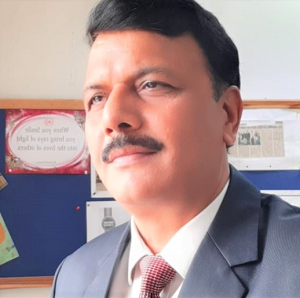
Prof.(Dr.) Rajesh Singh Tomar

Prof. Dr. Nuno Alexandre Soares Domingues

Prof. Dr. Bulent TOPCUOGLU
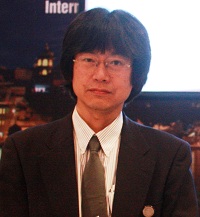
Prof. Dr. Kazuaki Maeda,
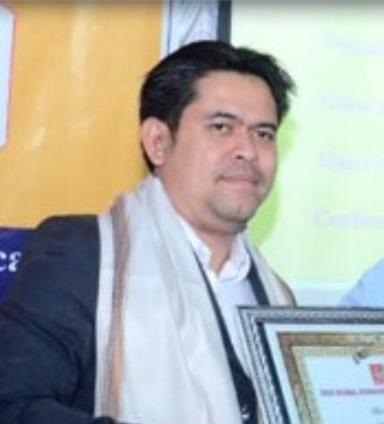
Tosaporn Mahamud.,Ph.D