
LISBON 4th International Congress on Artificial Intelligence, Electrical & Biosystems: LAIEB-28


+91 9781001229, +66 62 601 8051,
+351 920 619 073
+91 9781001229, +66 62 601 8051,
+351 920 619 073

Full Articles/ Reviews/ Shorts Papers/ Abstracts are welcomed in the following research fields:
Artificial intelligence, machine learning, deep learning, neural networks, reinforcement learning, expert systems, fuzzy logic, evolutionary computation, intelligent decision support, explainable AI, generative AI, natural language processing, computer vision, pattern recognition, predictive analytics, autonomous systems and AI-assisted engineering design.
Machine learning for electrical systems, intelligent fault diagnosis, predictive maintenance, AI-based load forecasting, smart protection systems, automated circuit design, power-quality monitoring, anomaly detection, AI-assisted control, adaptive systems, intelligent energy management, digital twins, condition monitoring and AI for electrical asset management.
Smart grids, distributed energy resources, demand-response systems, renewable-energy integration, microgrids, energy storage, intelligent metering, load balancing, grid optimization, power forecasting, fault localization, voltage stability, energy trading, peer-to-peer electricity markets and AI-enabled grid resilience.
Solar-energy systems, wind-energy systems, hybrid renewable systems, biomass energy, hydropower, energy-storage technologies, battery-management systems, power-electronic converters, maximum power-point tracking, renewable forecasting, sustainable electrification, energy efficiency and carbon-reduction strategies.
Power converters, inverters, rectifiers, DC-DC converters, electric drives, motor control, variable-speed drives, embedded control, model-predictive control, intelligent controllers, adaptive control, fuzzy control, neural-network control, sensorless control and fault-tolerant power-electronic systems.
Induction motors, synchronous machines, permanent-magnet machines, transformers, generators, electric-vehicle motors, vibration analysis, thermal monitoring, current-signature analysis, fault detection, insulation monitoring, predictive maintenance and AI-based remaining-life estimation.
Embedded processors, microcontrollers, FPGA systems, real-time systems, Internet of Things, wireless sensor networks, edge computing, TinyML, embedded AI, low-power electronics, sensor interfacing, real-time monitoring, intelligent instrumentation and cyber-physical systems.
Electrical sensors, biomedical sensors, environmental sensors, chemical sensors, biosensors, wearable sensors, optical sensing, electrochemical sensing, impedance spectroscopy, signal conditioning, data acquisition, calibration, sensor fusion, smart instrumentation and AI-assisted sensing.
Medical instrumentation, patient monitoring, wearable healthcare systems, biosignal analysis, ECG, EEG, EMG, biomedical imaging, diagnostic support systems, AI-assisted disease detection, remote healthcare, telemedicine, rehabilitation engineering, assistive technologies and personalized health monitoring.
Signal acquisition, filtering, feature extraction, time-frequency analysis, physiological-signal classification, ECG arrhythmia detection, EEG analysis, sleep monitoring, brain-computer interfaces, emotion recognition, neural decoding, biomedical pattern recognition and deep learning for biosignals.
Precision agriculture, smart irrigation, crop monitoring, soil sensing, agricultural robotics, greenhouse automation, livestock monitoring, drone-based agriculture, AI-based crop disease detection, yield prediction, climate-smart agriculture, agricultural IoT and automated farm-management systems.
Water-quality monitoring, air-quality sensing, wastewater treatment, environmental biosensors, pollution detection, ecosystem monitoring, biological treatment systems, intelligent environmental control, remote sensing, environmental data analytics, AI-based contamination prediction and sustainable resource management.
Food-quality monitoring, smart food processing, automated sorting, machine vision, food-safety sensing, intelligent packaging, cold-chain monitoring, quality prediction, process optimization, biosensors for contamination detection, AI-assisted grading and sustainable food-production systems.
Anaerobic digestion, biogas production, biomass conversion, microbial fuel cells, biofuels, waste-to-energy technologies, energy recovery from agricultural waste, wastewater-based energy systems, AI-based process optimization, smart monitoring of bioenergy plants and sustainable circular bioeconomy systems.
Agricultural robots, medical robots, rehabilitation robots, autonomous inspection systems, robotic harvesting, drone systems, soft robotics, bio-inspired robotics, intelligent navigation, machine vision, human-robot interaction and AI-based autonomous control.
Digital twins for electrical grids, machines, renewable systems, manufacturing equipment, farms, biomedical devices and environmental systems; real-time simulation, predictive modelling, sensor integration, virtual commissioning, condition prediction and intelligent system optimization.
Fault classification, anomaly detection, sensor-fault identification, equipment-health assessment, predictive maintenance, electrical-machine diagnostics, renewable-system fault detection, biomedical-device reliability, agricultural-equipment monitoring and explainable AI for engineering maintenance.
Engineering big data, time-series analysis, predictive modelling, uncertainty analysis, optimization, real-time analytics, cloud computing, edge analytics, decision-support systems, visualization, data fusion and AI-assisted operational planning across electrical and biological systems.
Wireless sensor networks, 5G and 6G applications, LPWAN, LoRaWAN, Bluetooth Low Energy, Zigbee, satellite IoT, remote telemetry, communication reliability, energy-efficient networking, rural connectivity and secure communications for agricultural, medical and environmental monitoring.
Electric vehicles, battery-electric systems, charging infrastructure, vehicle-to-grid integration, battery management, motor drives, intelligent transportation systems, autonomous vehicles, traffic prediction, smart charging, energy optimization and AI-assisted mobility management.
Smart energy, intelligent transportation, environmental sensing, smart water systems, waste management, urban agriculture, public-health monitoring, smart buildings, distributed renewable energy, IoT-enabled infrastructure, AI-based resource optimization and climate-resilient urban systems.
Energy-demand prediction, renewable-resource forecasting, climate modelling, emissions monitoring, environmental risk prediction, resource optimization, biodiversity monitoring, sustainable agriculture, smart water management and AI-assisted climate adaptation.
Cybersecurity for smart grids, IoT security, biomedical-device security, sensor-network protection, secure data transmission, privacy-preserving AI, authentication, intrusion detection, cyber-physical system resilience and secure cloud and edge computing.
Explainable artificial intelligence, trustworthy AI, interpretable machine learning, human-in-the-loop systems, responsible automation, usability, accessibility, ethical decision-making, bias reduction, safety assurance and transparent intelligent engineering systems.
Genetic algorithms, particle swarm optimization, multi-objective optimization, reinforcement learning, adaptive control, model-predictive control, optimization of power systems, renewable-energy dispatch, irrigation scheduling, biomedical-device control and energy-efficient system operation.
Quantum computing for engineering, neuromorphic computing, flexible electronics, wearable electronics, bioelectronics, smart materials, nanobiosensors, digital biology, synthetic biology interfaces, intelligent implants, autonomous laboratories, advanced energy-storage systems and next-generation cyber-physical technologies.

Prof. Dr. Abhay Saxena

Dr. Y. Thaweesak
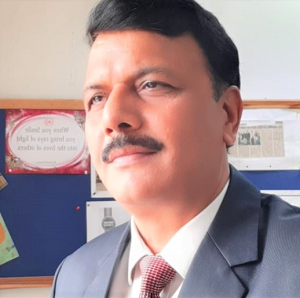
Prof.(Dr.) Rajesh Singh Tomar

Prof. Dr. Nuno Alexandre Soares Domingues

Prof. Dr. Bulent TOPCUOGLU
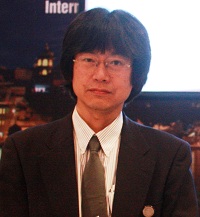
Prof. Dr. Kazuaki Maeda,
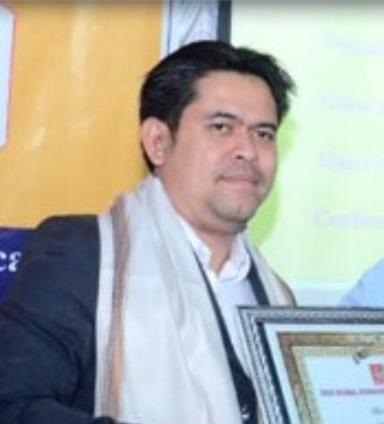
Tosaporn Mahamud.,Ph.D