
VIENNA 8th World Conference on Research in Chemical, Biological & Environmental Engineering: VCBE2-27


+91 9781001229, +66 62 601 8051,
+351 920 619 073
+91 9781001229, +66 62 601 8051,
+351 920 619 073

Full Articles/ Reviews/ Shorts Papers/ Abstracts are welcomed in the following research fields:
Core Independent Topics
1. Chemical Engineering Fundamentals Focuses on converting raw materials into useful products via chemical, physical, and thermodynamic processes.
Transport Phenomena: Momentum transfer (fluid mechanics), heat transfer (conduction, convection, radiation), and mass transfer (diffusion, interphase transport).
Thermodynamics & Phase Equilibria: First and second laws, chemical potential, phase behavior of mixtures, non-ideal solutions, and reaction equilibria.
Chemical Reaction Engineering: Homogeneous and heterogeneous kinetics, reactor design (CSTR, PFR, packed-bed), catalyst development, and transport-reaction interactions.
Separation Processes: Distillation, liquid-liquid extraction, absorption, crystallization, and membrane separations.
Process Dynamics, Systems, & Control: Process modeling, feedback/feedforward control loops, optimization, and plant safety systems.
2. Biological & Biochemical Engineering Applies engineering principles to biological systems, organisms, and molecular biology.
Bioprocess Engineering: Fermentation technology, bioreactor design and scale-up, cell culture kinetics, and downstream processing (purification, separation).
Enzyme & Protein Engineering: Biocatalysis, enzyme kinetics, protein folding, directed evolution, and immobilization techniques.
Metabolic Engineering & Synthetic Biology: Genetic pathway manipulation, flux balance analysis, cellular chassis development, and industrial strain design.
Biomedical Engineering Systems: Biomaterial interaction, tissue engineering scaffolds, drug delivery systems, and biosensors.
Biomanufacturing Quality & Regulation: Process analytical technology (PAT), sterility assurance, biosafety levels, and regulatory compliance.
3. Environmental Engineering & Science Focuses on preserving natural ecosystems, remediating pollution, and safeguarding public health.
Water & Wastewater Treatment: Physicochemical treatment, biological nutrient removal, advanced oxidation processes, and desalination.
Air Quality Engineering: Particulate matter control, gaseous emission abatement, atmospheric chemistry, and indoor air quality.
Solid & Hazardous Waste Management: Landfill engineering, hazardous waste neutralization, waste-to-energy conversion, and soil containment.
Environmental Remediation: Bioremediation, phytoremediation, chemical oxidation in soil/groundwater, and pump-and-treat systems.
Hydrology & Environmental Fluid Dynamics: Fate and transport of contaminants, surface/groundwater modeling, and environmental fluid mechanics.
Interrelated & Cross-Disciplinary Topics
These fields integrate concepts from chemical, biological, and environmental domains to tackle complex, modern challenges.
1. Environmental Biotechnology & Bioremediation Merges Biological Engineering + Environmental Engineering
Microbial Ecology in Treatment Systems: Metagenomics of wastewater microbes, biofilm reactors, and anaerobic digestion kinetics.
Biological Contaminant Degradation: Degradation pathways for microplastics, PFAS, hydrocarbons, and pharmaceuticals.
Resource Recovery from Waste: Algal bioprocessing for biofuels, nutrient recovery (struvite precipitation), and bioplastic production from waste streams.
2. Sustainable Chemical Processes & Green Chemistry Merges Chemical Engineering + Environmental Engineering
Life Cycle Assessment (LCA) & Eco-Efficiency: Carbon footprinting, cradle-to-grave analysis, and industrial ecology.
Green Solvents & Catalysis: Ionic liquids, supercritical fluids, bio-based catalysts, and atom-economical synthesis.
Process Intensification: Microreactors, reactive distillation, and energy-efficient separation systems aimed at minimizing environmental footprints.
3. Biorefineries & Circular Bioeconomy Merges Chemical Engineering + Biological Engineering + Environmental Engineering
Biomass Conversion & Fractionation: Pretreatment technologies, pyrolysis, gasification, and enzymatic hydrolysis of lignocellulosic feedstocks.
Biochemical Synthesis: Conversion of synthesis gas or bio-sugars into platform chemicals, biopolymers, and bio-jet fuels.
Closed-Loop Systems: Industrial symbiosis, zero-liquid discharge (ZLD) plants, and circular carbon utilization.
4. Advanced Carbon Management & Climate Mitigation Merges Chemical Engineering + Biological Engineering + Environmental Engineering
Direct Air & Point-Source Capture: Amine scrubbing, metal-organic frameworks (MOFs), and solid sorbents.
Biological Carbon Sequestration: Microalgae cultivation, enhanced soil carbon storage, and enzymatic carbon fixation.
Carbon Utilization (CCU): Electrochemical and catalytic reduction of CO2 into fuels and building materials

Dr. Y. Thaweesak
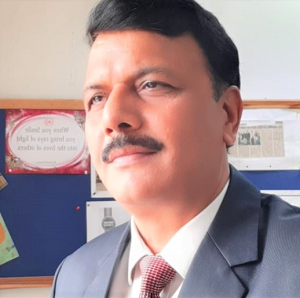
Prof.(Dr.) Rajesh Singh Tomar

Prof. Dr. Nuno Alexandre Soares Domingues

Prof. Dr. Bulent TOPCUOGLU
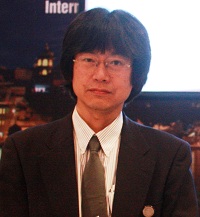
Prof. Dr. Kazuaki Maeda,
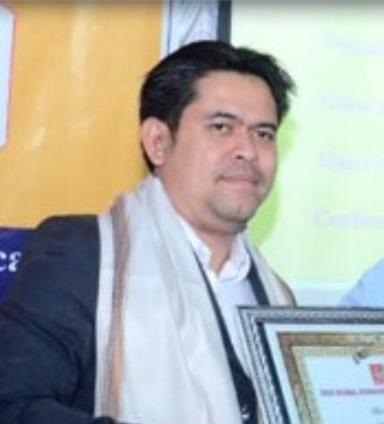
Tosaporn Mahamud.,Ph.D