
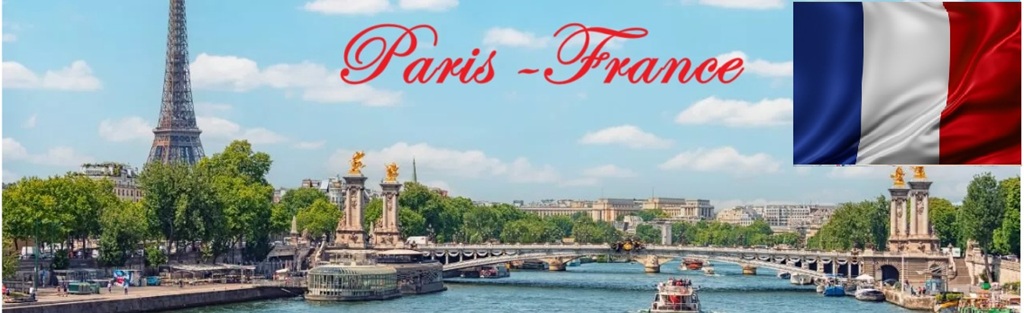
PARIS 8th World Conference on Chemical, Biological, Environmental & Natural Science: CBENS-27


+91 9781001229, +66 62 601 8051,
+351 920 619 073
+91 9781001229, +66 62 601 8051,
+351 920 619 073
Full Articles/ Reviews/ Shorts Papers/ Abstracts are welcomed in the following research fields:
These represent the foundational pillars of each distinct field, focusing on their primary laws, structures, and phenomena.
Analytical Chemistry: Spectroscopy, chromatography, mass spectrometry, and electrochemistry.
Inorganic Chemistry: Coordination compounds, organometallic chemistry, crystal field theory, and solid-state chemistry.
Organic Chemistry: Reaction mechanisms, stereochemistry, synthesis of carbon-based compounds, and functional group transformations.
Physical Chemistry: Chemical thermodynamics, quantum chemistry, chemical kinetics, statistical mechanics, and surface science.
Cellular and Molecular Biology: DNA replication, transcription and translation, organelle function, and cell signaling.
Genetics and Genomics: Mendelian inheritance, epigenetics, gene editing (CRISPR), and population genetics.
Organismal Biology and Physiology: Human anatomy, plant physiology, neurobiology, and developmental biology.
Evolutionary Biology: Natural selection, speciation, phylogenetics, and the fossil record.
Atmospheric Science: Meteorology, climate dynamics, greenhouse gas physics, and air pollution chemistry.
Hydrology and Oceanography: Fluid dynamics of oceans, groundwater flow, water quality, and marine ecosystems.
Soil Science (Pedology): Soil formation, nutrient cycling, soil mechanics, and land degradation.
Conservation Biology: Biodiversity loss, habitat fragmentation, endangered species management, and ecosystem restoration.
Geology and Geophysics: Plate tectonics, mineralogy, volcanology, seismology, and stratigraphy.
Astronomy and Astrophysics: Stellar evolution, cosmology, planetary science, and galactic dynamics.
The true frontiers of modern science exist at the intersections of these major branches. Below are the key fields born from their integration.
Biochemistry: Enzymatic catalysis, metabolic pathways (e.g., Krebs cycle), and the structural biology of macromolecules.
Chemical Biology: Using synthetic chemicals and small molecules to study and manipulate biological systems.
Pharmacology and Medicinal Chemistry: Drug design, pharmacokinetics, toxicology, and receptor-ligand interactions.
Environmental Chemistry: Chemical kinetics in natural waters, the transport and fate of heavy metals, and atmospheric photochemical smog.
Green and Sustainable Chemistry: Atom economy, renewable feedstocks, biodegradable polymers, and alternative solvent systems.
Geochemistry: Chemical composition of the Earth's crust, isotope geochemistry, and rock-water interactions.
Ecology: Community dynamics, trophic webs, biogeochemical cycles (carbon, nitrogen, phosphorus), and niche theory.
Microbial Ecology: Extremeophiles, bioremediation, and the role of microbiomes in soil and aquatic health.
Ecotoxicology: Bioaccumulation, biomagnification, and the impacts of anthropogenic pollutants on wildlife populations.
Biogeochemistry: The global processes regulating the movement of elements through the biosphere, lithosphere, atmosphere, and hydrosphere.
Astrobiology: The chemical origins of life, prebiotic chemistry, and the search for biosignatures on other planetary bodies.
Paleoclimatology and Geobiology: Using biological fossils and chemical isotopes in ice cores or sediment layers to reconstruct past Earth climates

Dr. Y. Thaweesak
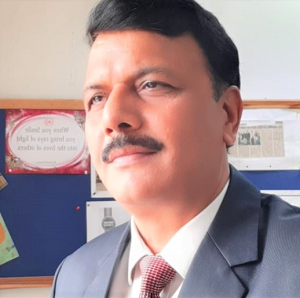
Prof.(Dr.) Rajesh Singh Tomar

Prof. Dr. Nuno Alexandre Soares Domingues

Prof. Dr. Bulent TOPCUOGLU
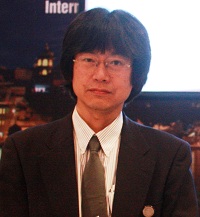
Prof. Dr. Kazuaki Maeda,
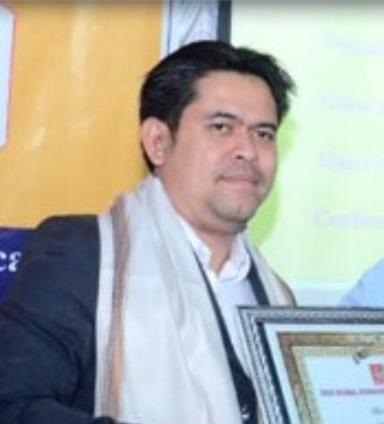
Tosaporn Mahamud.,Ph.D