
PATTAYA 6th World Congress on Chemical, Agricultural, Biological & Environmental Sciences: CABES-27


+91 9781001229, +66 62 601 8051,
+351 920 619 073
+91 9781001229, +66 62 601 8051,
+351 920 619 073
Full Articles/ Reviews/ Shorts Papers/ Abstracts are welcomed in the following research fields:
These represent the foundational branches of science, each possessing its own core theories, methodologies, and distinct bodies of knowledge.
Organic Chemistry: Synthesis and structure of carbon-based compounds.
Inorganic Chemistry: Behavior and properties of organometallic compounds and minerals.
Analytical Chemistry: Quantitative and qualitative determination of chemical components.
Physical Chemistry: Chemical thermodynamics, kinetics, and molecular spectroscopy.
Cellular and Molecular Biology: DNA replication, protein synthesis, and cellular signaling mechanics.
Genetics and Genomics: Heredity, gene mapping, and evolutionary mutations.
Microbiology: Virology, bacteriology, and mycology.
Physiology: Functional mechanics of tissues, organs, and living systems.
Agronomy: Soil management and large-scale crop production metrics.
Horticulture: Plant propagation, breeding, and intensive cultivation of fruits, vegetables, and ornamental plants.
Animal Science: Livestock breeding, nutrition, and husbandry management.
Agricultural Engineering: Design of farming machinery, automated irrigation, and structural processing units.
Ecology: Population dynamics, community interactions, and ecosystem structures.
Atmospheric Sciences: Meteorology, greenhouse gas dynamics, and climate modeling.
Hydrology: Movement, distribution, and quality of freshwater systems across landmasses.
Geology and Soil Science: Lithospheric processes, rock weathering, and foundational soil formation.
These subtopics cannot exist within a single silo; they require the direct integration of two or more core domains to function.
Biochemistry: Chemical reactions governing metabolic pathways, enzyme kinetics, and cellular respiration.
Chemical Biology: Application of synthetic chemical tools and small molecules to manipulate and study real-time biological systems.
Pharmacognosy and Medicinal Chemistry: Extraction of bioactive compounds from natural organisms and their optimization into therapeutic drugs.
Environmental Chemistry: Chemical fates, reactions, and transport pathways of heavy metals, synthetic polymers, and pollutants in air, soil, and water.
Green Chemistry: Molecular design focused on minimizing hazardous byproducts, optimizing atom economy, and utilizing renewable feedstocks.
Ecotoxicology: Chemical profiling of toxins and their systemic biological impact on indicator species within vulnerable ecosystems.
Agricultural Biotechnology: Genetic modification of crops to express traits like drought tolerance, pest resistance, and enhanced nutritional profiles.
Plant Pathology: Study of biological pathogens (fungi, bacteria, viruses) affecting crop health and the mechanisms of plant immune systems.
Soil Microbiology: Symbiotic relationships involving mycorrhizal fungi, nitrogen-fixing bacteria, and plant root networks.
Agroecology: Applying ecological principles to agricultural design, optimizing biodiversity, and maximizing natural resource efficiency.
Sustainable Land Management: Strategies for mitigating soil erosion, combating desertification, and managing livestock grazing to protect natural wild borders.
Agricultural Hydrology: Management of non-point source water pollution, agricultural runoff, and the ecological impacts of widespread artificial fertilizers.
These grand challenges sit precisely at the center of all four macro-disciplines, drawing simultaneously from chemical, agricultural, biological, and environmental expertise.
Microbial Degradation: Engineering bacterial strain pathways to break down industrial plastic polymers and hydrocarbons.
Phytoremediation: Using deep-rooted hyperaccumulating plants to extract and stabilize toxic heavy metals from polluted industrial soils.
Smart Fertilizers: Chemical formulation of micro-encapsulated polymers that release nitrogen and phosphorus based on biological soil signals and moisture levels.
Biopesticides: Developing natural pheromones, botanical extracts, and targeted fungal strains to replace broad-spectrum, persistent synthetic chemical pesticides.
Second and Third-Generation Biofuels: Chemical pre-treatment of agricultural lignocellulosic waste and engineered algal cultures to synthesize scalable bio-ethanol and bio-diesel.
Bioplastics Production: Converting agricultural crop starches and lipid waste into biodegradable polymers via microbial fermentation.
Enhanced Weathering and Biochar: Applying chemically optimized agricultural crop char into topsoils to increase biological carbon sinks while altering soil chemistry for optimal yield.
Synthetic Biology for Carbon Capture: Re-engineering the RuBisCO enzyme in photosynthetic organisms to dramatically elevate global atmospheric carbon fixation rates.

Dr. Y. Thaweesak
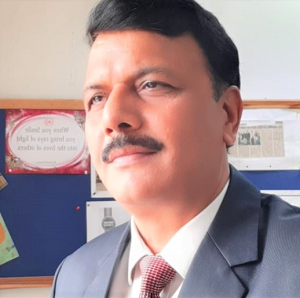
Prof.(Dr.) Rajesh Singh Tomar

Prof. Dr. Nuno Alexandre Soares Domingues

Prof. Dr. Bulent TOPCUOGLU
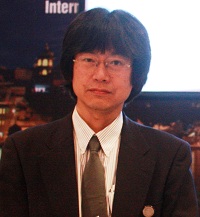
Prof. Dr. Kazuaki Maeda,

Prof. Dr. Haiu Aurelia
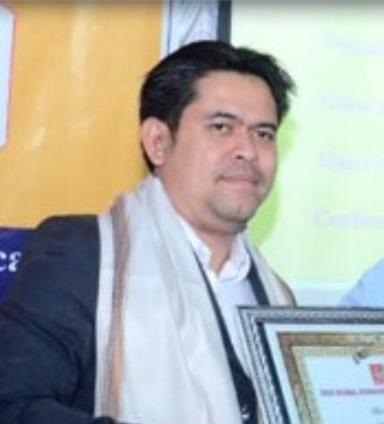
Tosaporn Mahamud.,Ph.D