
76th ISTANBUL World Congress on Chemical, Biological, Environmental & Medical Sciences: ICBEMS-26


+91 9781001229, +66 62 601 8051,
+351 920 619 073
+91 9781001229, +66 62 601 8051,
+351 920 619 073
Full Articles/ Reviews/ Shorts Papers/ Abstracts are welcomed in the following research fields:
Chemical science serves as the "central science," providing the molecular foundation for the other three.
Organic Chemistry: The study of carbon-based compounds, essential for understanding life and developing pharmaceuticals.
Inorganic Chemistry: Focuses on minerals, metals, and organometallic compounds.
Physical Chemistry: The study of how matter behaves on a molecular and atomic level and how chemical reactions occur (Thermodynamics, Kinetics).
Analytical Chemistry: Techniques for identifying the composition of matter (Spectroscopy, Chromatography).
Polymer Chemistry: The creation and study of large molecules (plastics, synthetic fibers, and biopolymers).
Computational Chemistry: Using computer simulations to predict chemical behavior and molecular structures.
This pillar focuses on living organisms, from the microscopic to the global ecosystem level.
Molecular Biology & Genetics: The study of DNA, RNA, and protein synthesis; includes genomics and CRISPR technology.
Cell Biology: The structure and function of the cell, the basic unit of life.
Microbiology: The study of microscopic organisms like bacteria, viruses, archaea, fungi, and protozoa.
Physiology: How organ systems within a living body function and interact.
Evolutionary Biology: The origins and changes in the diversity of life over time.
Botany and Zoology: The specific study of plant and animal life, respectively.
This field examines the physical, chemical, and biological components of the environment and their interactions.
Ecology: The study of how organisms interact with each other and their physical environment.
Environmental Chemistry: The study of chemical species in the air, soil, and water, and the effect of human activity on them (Pollution, Toxicology).
Atmospheric Science: Focused on the Earth’s atmosphere, weather patterns, and climate change.
Hydrology and Oceanography: The study of the movement, distribution, and quality of water across the planet.
Sustainability Science: Methods to maintain ecosystems and resources for future generations (Renewable energy, Waste management).
Conservation Biology: Protecting biodiversity and endangered species.
This pillar applies the principles of biology and chemistry to maintain health and treat disease.
Anatomy: The study of the physical structure of the body.
Pharmacology: The study of drug action and how medicines interact with biological systems.
Pathology: The study of the causes and effects of diseases.
Epidemiology: The study of how diseases spread and how they can be controlled in populations.
Immunology: The study of the immune system and its response to threats.
Biomedical Engineering: Designing tools and internal organs to improve healthcare (Prosthetics, Imaging tech).
These are the "bridge" topics where two or more of the above sciences merge into a single discipline:
Biochemistry (Chemistry + Biology): The chemical processes occurring within living organisms.
Medicinal Chemistry (Chemistry + Medicine): The design and development of pharmaceutical drugs.
Biotechnology (Biology + Chemistry + Engineering): Using living systems to develop products, such as biofuels or genetically modified crops.
Environmental Toxicology (Environmental + Chemical + Medical): How environmental pollutants affect biological health and cause disease.
Bioinformatics (Biology + Data Science): Using complex algorithms to analyze biological data, like the human genome.
Neuroscience (Biology + Medicine + Chemistry): The study of the nervous system, combining molecular chemistry with medical pathology.
Geochemistry (Environmental + Chemistry): The chemical composition of the Earth and its rocks/minerals.

Prof. Dr. Abhay Saxena

Dr. Y. Thaweesak
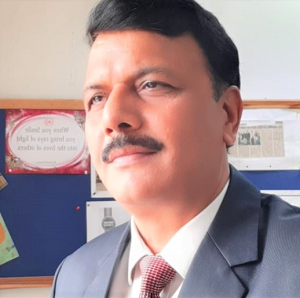
Prof.(Dr.) Rajesh Singh Tomar

Prof. Dr. Nuno Alexandre Soares Domingues

Prof. Dr. Bulent TOPCUOGLU
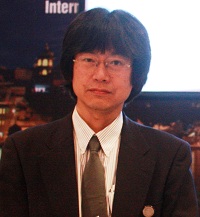
Prof. Dr. Kazuaki Maeda,