
75th BARCELONA World Congress on Chemical, Biological, Environmental & Health Sciences: BCBEHS-26


+91 9781001229, +66 62 601 8051,
+351 920 619 073
+91 9781001229, +66 62 601 8051,
+351 920 619 073
Full Articles/ Reviews/ Shorts Papers/ Abstracts are welcomed in the following research fields:
The foundation of matter and molecular interactions.
Organic Chemistry: Study of carbon-based compounds (the "chemistry of life").
Inorganic Chemistry: Synthesis and behavior of inorganic and organometallic compounds.
Analytical Chemistry: Techniques for determining the composition of matter (e.g., Spectroscopy, Chromatography).
Physical Chemistry: Application of physics to chemical systems (Thermodynamics, Quantum Mechanics).
Polymer & Materials Chemistry: Design of new synthetic materials and plastics.
The study of life from the cellular level to complex organisms.
Molecular Biology & Genetics: Study of DNA, RNA, and protein synthesis.
Microbiology: Investigation of bacteria, viruses, fungi, and protozoa.
Botany & Zoology: Specific studies of plant and animal life.
Evolutionary Biology: Origins and changes in species over time.
Physiology: How internal systems (respiratory, circulatory) function in living beings.
The study of the earth's systems and human impact.
Ecology: Interactions between organisms and their physical environment.
Atmospheric Science & Climatology: Study of weather patterns and climate change.
Hydrology: Movement, distribution, and quality of water on Earth.
Conservation Biology: Management of biodiversity and protection of endangered species.
Environmental Remediation: Techniques for cleaning up soil and water pollution.
The application of science to improve human and animal health.
Pharmacology: Study of drug action and the design of medicines.
Epidemiology: Study of how diseases spread and are controlled in populations.
Pathology: The study of the causes and effects of diseases.
Nutrition & Dietetics: How food intake affects metabolic health.
Immunology: Study of the immune system and its response to pathogens.
These are "bridge" topics where two or more of the core sciences overlap significantly.
Biochemistry: The chemical processes occurring within living organisms.
Medicinal Chemistry: Using organic chemistry to design and develop new drugs.
Chemical Biology: Using chemical techniques to manipulate biological systems.
Environmental Microbiology: The study of microbes in the environment (e.g., nitrogen fixation).
Biogeochemistry: The study of chemical cycles (like Carbon or Nitrogen) through living and non-living systems.
Ecotoxicology: How toxic chemicals affect the health of ecosystems.
Environmental Health: How environmental factors (pollution, climate) impact human health.
Occupational Health: Identifying and controlling risks in the workplace (e.g., chemical exposure).
One Health: An integrated approach recognizing that human health is linked to the health of animals and the environment.
Green Chemistry: Designing chemical products and processes that reduce or eliminate hazardous substances.
Atmospheric Chemistry: The study of the chemicals in the Earth's atmosphere and their reactions (e.g., Ozone depletion).
Biomedical Engineering: Combining biology and engineering for healthcare (e.g., prosthetics, imaging).
Genomic Medicine: Using a person's genetic info to guide medical care.

Prof. Dr. Abhay Saxena

Dr. Y. Thaweesak
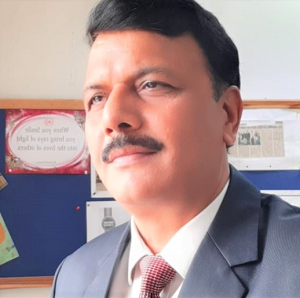
Prof.(Dr.) Rajesh Singh Tomar

Prof. Dr. Nuno Alexandre Soares Domingues

Prof. Dr. Bulent TOPCUOGLU
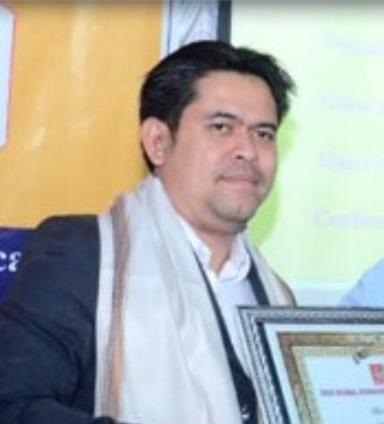
Tosaporn Mahamud.,Ph.D