
73rd LISBON International Conference on Chemical, Biological & Environmental Engineering: LCBEE-26


+91 9781001229, +66 62 601 8051,
+351 920 619 073
+91 9781001229, +66 62 601 8051,
+351 920 619 073
Full Articles/ Reviews/ Shorts Papers/ Abstracts are welcomed in the following research fields:
These subjects are the "DNA" of all three disciplines and are rarely studied in isolation.
Transport Phenomena
Fluid Mechanics (Newtonian and non-Newtonian flow)
Heat Transfer (Conduction, convection, and radiation in reactors)
Mass Transfer (Diffusion and interfacial transport)
Thermodynamics
Phase and Chemical Equilibria
Laws of Thermodynamics in open and closed systems
Statistical Mechanics
Process Dynamics and Control
Feedback and Feed-forward control loops
Automation and Robotics in processing
Signal processing and sensor technology
Numerical Methods & Computational Modeling
Computational Fluid Dynamics (CFD)
Molecular Dynamics simulations
Machine Learning in process optimization
Focuses on the large-scale transition of raw materials into useful products.
Chemical Reaction Engineering
Kinetics and Catalysis (Heterogeneous and Homogeneous)
Reactor Design (Batch, CSTR, PFR)
Electrochemical Engineering
Separation Processes
Distillation, Absorption, and Extraction
Membrane Science and Technology
Adsorption and Ion Exchange
Plant Design and Economics
Process Intensification (Making plants smaller and more efficient)
Safety and Hazard Analysis (HAZOP)
Capital and Operating Cost Estimation
Applies engineering principles to biological systems, often scaling up lab discoveries to industrial production.
Bioprocess Engineering
Fermentation Technology and Bioreactor Design
Upstream Processing (Cell culture and media optimization)
Downstream Processing (Protein purification and recovery)
Metabolic Engineering & Synthetic Biology
Genetic Engineering and CRISPR applications
Pathway Analysis and Flux Balance Analysis
Bio-manufacturing of fuels and pharmaceuticals
Biomedical & Tissue Engineering
Biomaterials and Biocompatibility
Drug Delivery Systems (Nano-carriers)
Organ-on-a-chip technology
Focuses on protecting human health and the environment through the management of waste and resources.
Water and Wastewater Treatment
Physical, Chemical, and Biological treatment processes
Desalination and Water Reclamation
Sludge management and Resource Recovery
Air Quality Engineering
Pollutant Dispersion Modeling
Particulate and Gas Emission Control (Scrubbers, Bio-filters)
Greenhouse Gas Mitigation and Carbon Capture (CCS)
Waste Management and Circular Economy
Solid and Hazardous Waste Treatment
Life Cycle Assessment (LCA)
Industrial Ecology (Waste-to-Energy systems)
These topics represent the modern "frontiers" where all three fields overlap.
Sustainable Energy Systems
Biofuels and Hydrogen Production (ChemE + BioE + EnvE)
Fuel Cells and Advanced Battery Chemistry
Photocatalysis for solar energy conversion
Biotechnology for the Environment (Bioremediation)
Microbial fuel cells (Extracting energy from waste)
Phytoremediation (Using plants to clean soil)
Biosensors for environmental monitoring
Green Chemistry and Engineering
Replacement of toxic solvents with "Supercritical Fluids"
Atom Economy and renewable Feedstocks
Biodegradable Polymers and Plastics
Bioethics and Environmental Law
Global Sustainability Standards (SDGs)
Intellectual Property in Biotech and Chemical Patents
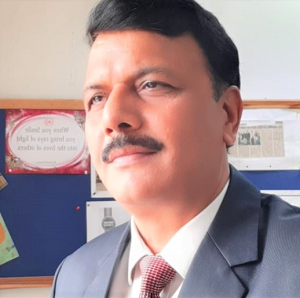
Prof.(Dr.) Rajesh Singh Tomar
Prof. Dr. Nuno Alexandre Soares Domingues

Prof. Dr. Bulent TOPCUOGLU
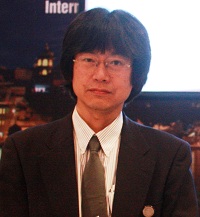
Prof. Dr. Kazuaki Maeda,